What GA Flying Doesn't Demand — Jets Will
In GA, gear, flaps, and speeds are flexible. In jets, every step is timed and standardized.
Airlines Test Decision-Making Under Pressure
Sim sessions and technical interviews don't just test if you can fly—they test how you think. Weak decision-making under pressure signals risk, and airlines won't take chances.
Professional Communication is Non-Negotiable
Airline operations demand precise, standardized communication. Sloppy callouts or unclear briefings in an interview reveal gaps that training departments can't fix fast enough.
Automation Mastery Separates Candidates
Modern airliners are highly automated. If you can't command the FMS, manage the autopilot, and brief approaches professionally, you're not ready for Part 121 operations.

Prep at the Standard You'll Be Evaluated Against
You're not looking for more "tips" — you're looking for professional readiness.
Tighten IFR fundamentals into a consistent performance standard.
Planning. Setup. Pacing. Clear decision-making.
Type Rating Centers Expect IFR Readiness
You're paying for a certified full-flight simulator and an expert on your aircraft. Their job is to teach systems and procedures — not IFR basics.
Train with Airline Pilots, Not Just CFIs
Our instructors fly for major carriers and hold ATP certificates. They know exactly what hiring panels expect and what Part 121 training departments demand—because they live it every day.
Simulator Training That Mirrors Airline Standards
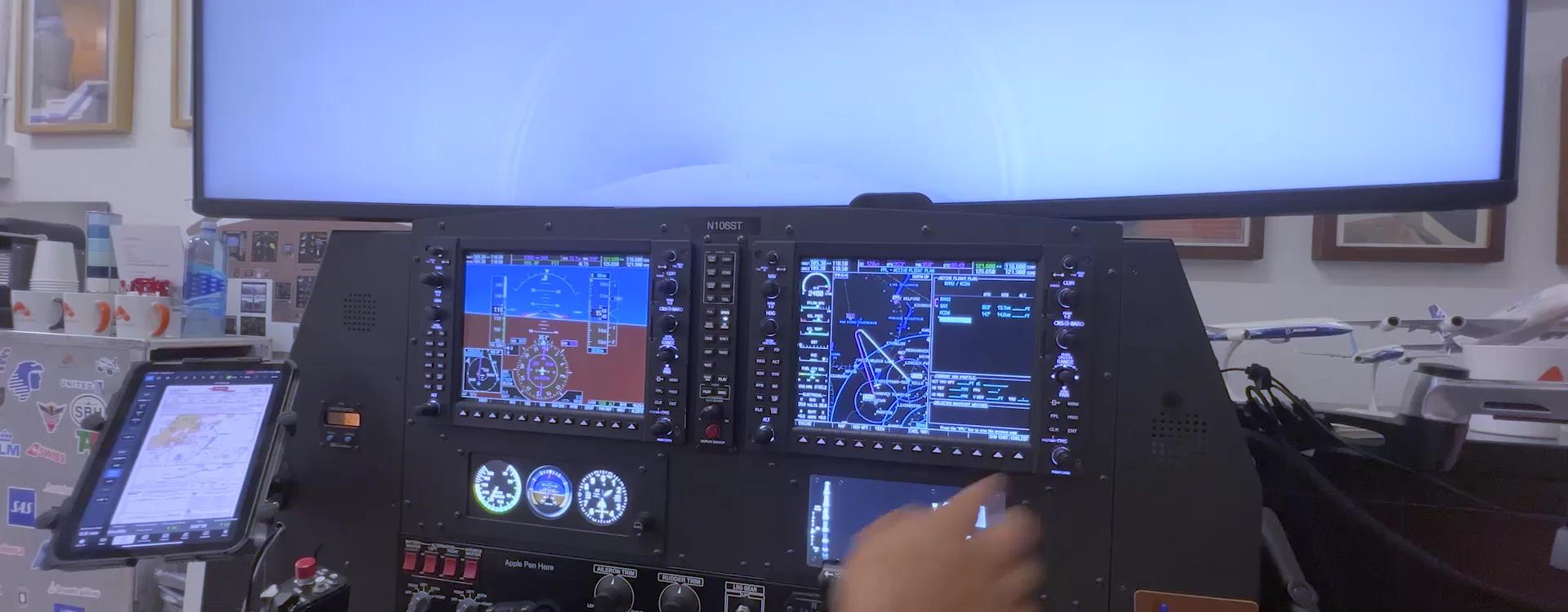
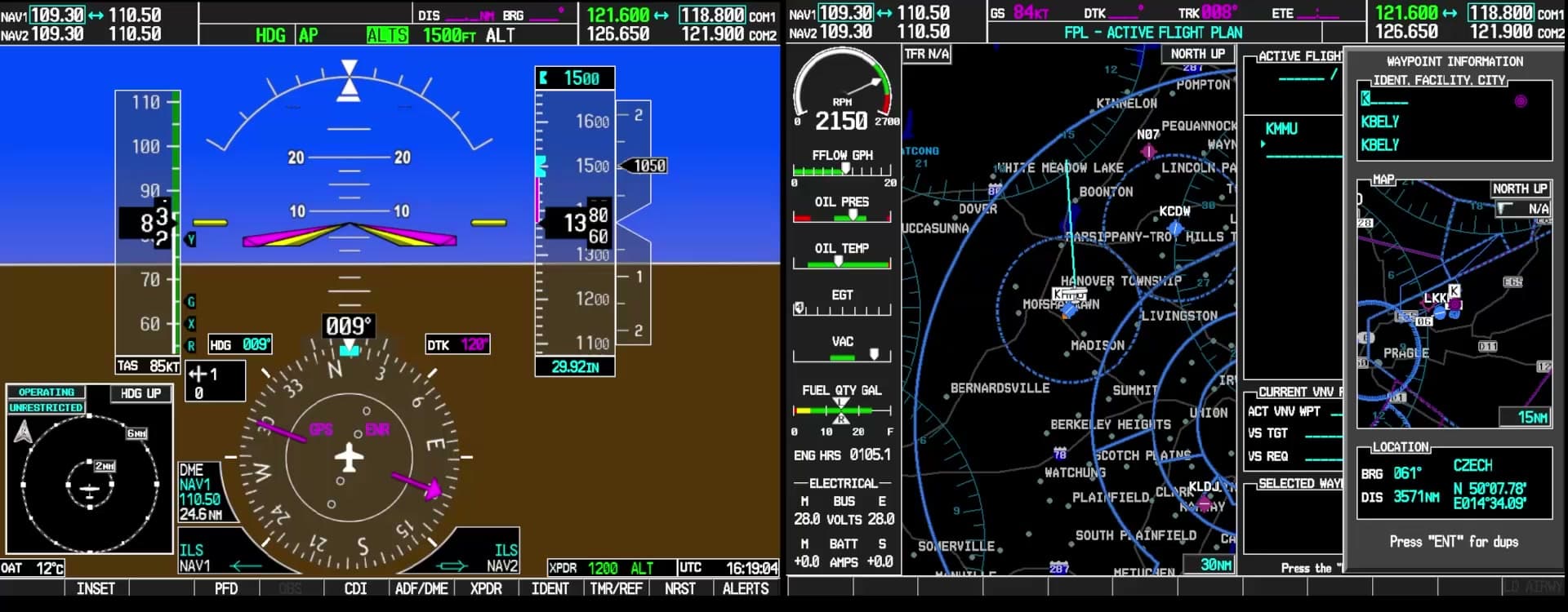
Our King Air 200 G1000NXi AATD provides the turbine-class complexity airlines expect: SID/STAR procedures, VNAV descents, holds, and autopilot management. This isn't GA training—it's professional-grade preparation.
Build Discipline That Stands Out in Interviews
Airlines don't just test your skills—they evaluate your discipline, decision-making, and communication. We train the flows, callouts, and professional standards that make interviewers take notice.
Where Do You Start?
Two tracks based on your current proficiency. Your instructor validates and adjusts on the first session.
I Need to Rebuild the Basics
$780/day6-hour block (two 3-hour sessions) at $130/hrFull program: 4 days — contact us to coordinate →Haven't flown in years. Unsure about instrument scan, approach setup, or G1000 avionics. Want structured progression from fundamentals through airline-standard LOFTs.
- 4 structured lessons + LOFT scenarios
- Basic instrument scan through advanced approaches
- G1000 NXi familiarization included
- Progress to LOFTs with 121 reg integration
I'm Proficient but Need Sharpening
$780/day6-hour block (two 3-hour sessions) at $130/hrStage 2: 2 days — contact us to coordinate →Recently current or flew within the last 1-2 years. Comfortable with basic instrument skills. Need scenario-based practice, 121 reg integration, or interview prep.
- Jump directly into LOFT scenarios
- Real-world trip profiles with 121 procedures
- Airline interview focus
- Instructor validates gaps on first session
IFR Fundamentals Refresh
4 structured lessons (~3 hours each). Rebuild core instrument skills from the ground up — even experienced pilots benefit after time away.
Basic Instrument & Approach Setup
- Instrument scan refresh (attitude, heading, altitude, airspeed)
- Instrument approach briefing technique
- VOR navigation fundamentals
- G1000 NXi avionics familiarization
- Approach setup in the avionics suite
Holds & VOR/LOC Approaches
- Holding pattern entries and procedures
- VOR: KMSO, KSMX VOR 12, SBA VOR 25
- LOC: SAN LOC 27, SMX BC-A (back course)
Precision & Performance-Based Approaches
- ILS: JFK, LAX, SFO
- RNAV (GPS): SFO, DEN, SLC
- LDA: KTVL Rwy 18 (South Lake Tahoe)
- Special: EGE Rwy 25 (Eagle/Vail)
SIDs, STARs & Integration
- SIDs from KTEB (Teterboro)
- STARs into KLAX (Los Angeles)
- Fuel planning
- Full integration flight: departure to arrival
LOFT Scenarios
Line Oriented Flight Training. Complete trip profiles — flight planning, departure, en route, arrival, and approach — with 121 fuel requirements and decision-making built in.
All LOFT scenarios qualify for FAA WINGS credit. Activities must be performed to ACS (Airman Certification Standards) to receive credit.
Procedures
Mountainous terrain, complex STAR
High-altitude operations, terrain
Procedures
Complex IFR procedures, mountain terrain
Complex IFR procedures, alpine terrain
121 Knowledge for Interviews
Integrated throughout Stage 2 LOFTs. These are the regulations and procedures airlines test during interviews.
Fuel Requirements
14 CFR 121.639 / 121.645- Takeoff fuel calculation
- Reserve fuel requirements
- Alternate fuel planning
- Holding fuel — when and how much
- Fuel dump decision-making
Alternate Requirements
14 CFR 121.619 / 121.625- When an alternate is required (1-2-3 rule)
- Alternate weather minimums
- Takeoff alternate requirements
- Destination vs departure alternate
Weather Minimums
14 CFR 91.175 / 121.651- Precision approach minimums (DA/DH)
- Non-precision approach minimums (MDA)
- Circling approach minimums
- Takeoff minimums under Part 121
- RVR requirements and conversions
Dispatch & Operations
14 CFR 121.533 / 121.593- Dispatch release procedures
- MEL/CDL decision-making
- Captain authority vs dispatch
- Inoperative equipment provisions
CRM & Communication
AC 120-51E- Standardized callouts and flows
- Crew coordination procedures
- Threat and error management (TEM)
- Assertive communication techniques
Approach & Landing
14 CFR 91.175 / 121.651- Stabilized approach criteria
- Go-around decision-making
- Missed approach procedures
- Visual references required at DA/MDA
Intensive Training Schedule
Each stage is completed in 2 days. Two 3-hour lessons per day.
Stage 1 — Fundamentals
Stage 2 — LOFTs
Stage 2 only? You need just 2 days. Full program is 4 days, 24 hours of simulator time.
Traveling for Training?
We regularly train pilots from across the country. Fill out the contact form so we can coordinate your schedule, recommend accommodations, and discuss bundle pricing.
Hudson Square, Manhattan
Walking distance to our training facility. Premium pricing but zero commute — maximize your training time.
RecommendedJersey City (PATH Train)
More practical on price, especially for multi-day stays. Adds commute time via PATH train to Manhattan.
Budget-FriendlyWhy Career Pilots Train
at Aviator.NYC
Professional instruction from airline pilots. Build the discipline that hiring panels and training departments expect.
King Air 200 G1000NXi AATD
FAA-certified and faster than most sims in this class. Perfect for jet-transition training with SID/STAR, VNAV, and hold capability.
Structured Training Scenarios
FAA WINGS-approved scenarios designed for jet transition. Train IFR flows and callouts in real-world procedures, not generic drills.
Jeppesen Charts & Airline Standards
Practice with the same Jeppesen charts and standardized flows you'll see in type rating school, so nothing feels new on day one.
NYC Location, Real Progress
Train midweek in Manhattan, fly on weekends, and avoid re-learning. No airport commute, no filler—just results.
Professional-Grade Simulator Training
Built by Precision Flight Controls • Model GTX G1000 • FAA AATD Certified
Flight Simulator Center in NYC
Our FAA-approved simulator facility brings professional flight training to New York City. Not a massive training center—just focused, one-on-one instruction with airline pilots in a comfortable office environment.
Location
TRAIN TO FLY IN MANHATTAN
Hudson Square, Manhattan

Loading reviews...
Tap any station for live arrival times
Plan Your Airline Interview Prep
Tell us about your experience and goals. We'll coordinate scheduling, accommodations, and bundle pricing.